

A customer lands on your website. They scroll past a headline, a few paragraphs about your mission, and then they hit the photos. If those photos are the same smiling stock-photo employees showing up on a thousand other small business websites, something in the back of their mind registers it. They may not know what they are feeling, but they move on, often to a competitor whose website feels more genuine to who they are as a brand.
This is not a small, cosmetic detail. Photography is often the first piece of evidence a customer sees that a business is what it claims to be. This post covers what brand photography is, why it changes how customers see a small business, what happens when a business skips it, and how Rennacker Studio approaches brand photoshoots. Five minutes now can change how the next thousand visitors experience your business.

Headshot for a licensed professional therapist // see more here
What Is Brand Photography?
Brand photography is a planned set of original photos that show your business: your product or service, your team, your workspace or environment. It is different from a single headshot session or a snapshot taken on a phone between customers.
A brand photography project usually starts with a conversation about what a business wants people to feel when they interact with your brand. From there, a photographer plans specific shots. Perhaps they feature the owner at the counter, hands making the product, the storefront at the hour when the light looks best, customers picking up an order. The result is a library of images a business can use on its website, social media, menus, packaging, and printed materials for years.
Stock photography, by contrast, is a photo purchased from a library and used by anyone who pays the license fee. It is fast and relatively inexpensive, but it does not show the unique qualities of your business at all. A single stock image might appear on hundreds of unrelated websites across dozens of industries at the same time, which is part of the reason sharp-eyed customers eventually learn to recognize it.


Stock photography of a reed diffuser (courtesy of Shutterstock)
Why It Matters: The Benefits
Customers trust what they can verify. A person choosing between two contractors, two bakeries, or two dentists is making a decision partly on information they cannot fully verify, such as: reviews, a website, or a few photos. A photo of your team, your shop, and your work builds trust that words alone do not. It answers subconscious question like: is this a real place, run by real people, doing what it says it does? In the age of AI, all of those questions have become all the more valid than they have ever been.
Original photos separate a business from its competitors. Search “plumber near me” or “custom cake bakery” and the businesses using the same three stock photos of smiling workers carrying a tool bag or of a generic frosted cake begin to blend together. A business with its own lifestyle photography stands out simply by looking like itself.
One photo shoot could fuel months of marketing. A single half-day session can produce images for a website redesign, social media posts, a seasonal email campaign, printed flyers, and a Google Business profile. Businesses that treat photography as an investment rather than a expense often get more use out of it than they expect, sometimes stretching a single session across an entire year of content.
Photos do the selling before a customers call. A remodeling company showing before-and-after photos of real homes they have worked on answers the question “can they do this for me?” before a prospective client picks up the phone. A restaurant showing its food sets expectations for the experience they are going to have.
Photography reinforces other parts of a brand. A logo, a color palette, and a tone of voice only go so far if the photography surrounding them does not match. A polished, modern logo paired with grainy phone photos sends a mixed signal, whereas consistent, well-lit, on-brand photography cab tie everything together.
Good photography supports paid advertising performance. Ad platforms reward images that stop a scroll and hold attention. A generic stock photo blends into a customer’s feed because it looks exactly like every other brand. An original, specific, well-composed photo of a product or moment tends to draw the eye and perform better, which can lower the actual cost of running ads over time.
The Risks
Stock photos can undercut brand credibility. Sharp-eyed customers recognize stock photography, especially the most commonly licensed images. Once a visitor notices one fake photo, they start to wonder what else on the site is not quite real, and that suspicion can spread to reviews, pricing claims, and other content that was otherwise accurate.
Inconsistent photography makes a business look unfinished. A website with a professional logo, a few phone photos from three years ago, and one blurry image of a product reads as neglected, even if the business itself is thriving. First impressions form in seconds, and photography carries a large share of that impression.
A business without current photos falls behind as it evolves. Products, services, and menus change over time. Your team grows. Your storefront gets renovated. Any business running old or borrowed photography risks showing customers a version of itself that no longer exists, which creates confusion at best and disappointment at worst when a customer arrives expecting something different from what they have seen online.
Skipping photography leaves money on the table. Every marketing channel, from a Google Business profile or an Instagram post to a printed postcard, performs better with a real, well-composed photo. A business without a photo library either pays for stock licenses repeatedly or publishes fewer, substantially weaker posts than a competitor with a photo library already assembled.
Poor lighting and composition can hurt a brand more than no photo at all. A dim, cluttered, or poorly framed photo of your product sometimes does more damage, since it can make a genuinely good product look unappealing. Original photography still requires technical skill to execute well, which is part of why hiring a professional matters.
How Rennacker Studio Can Help
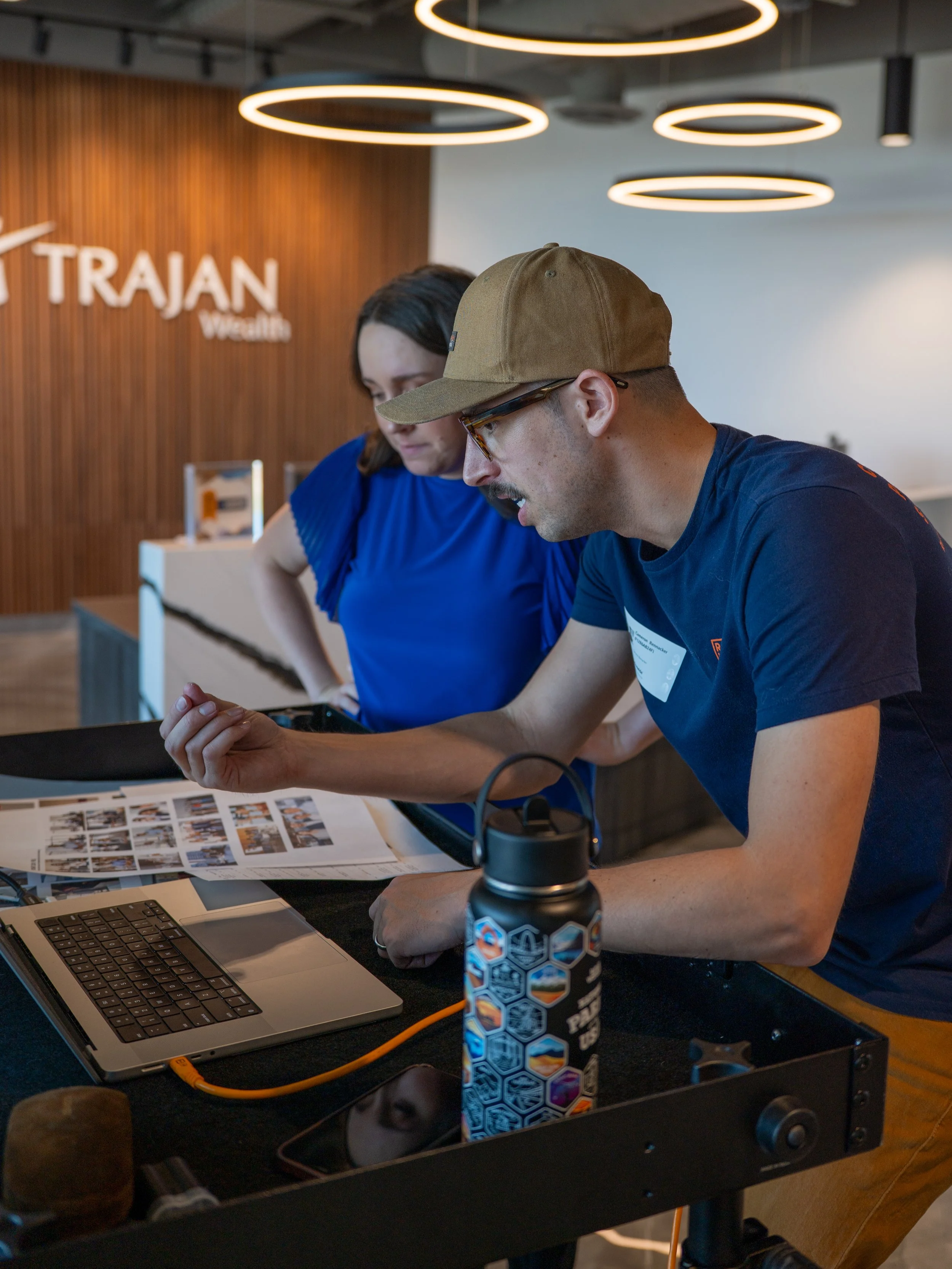
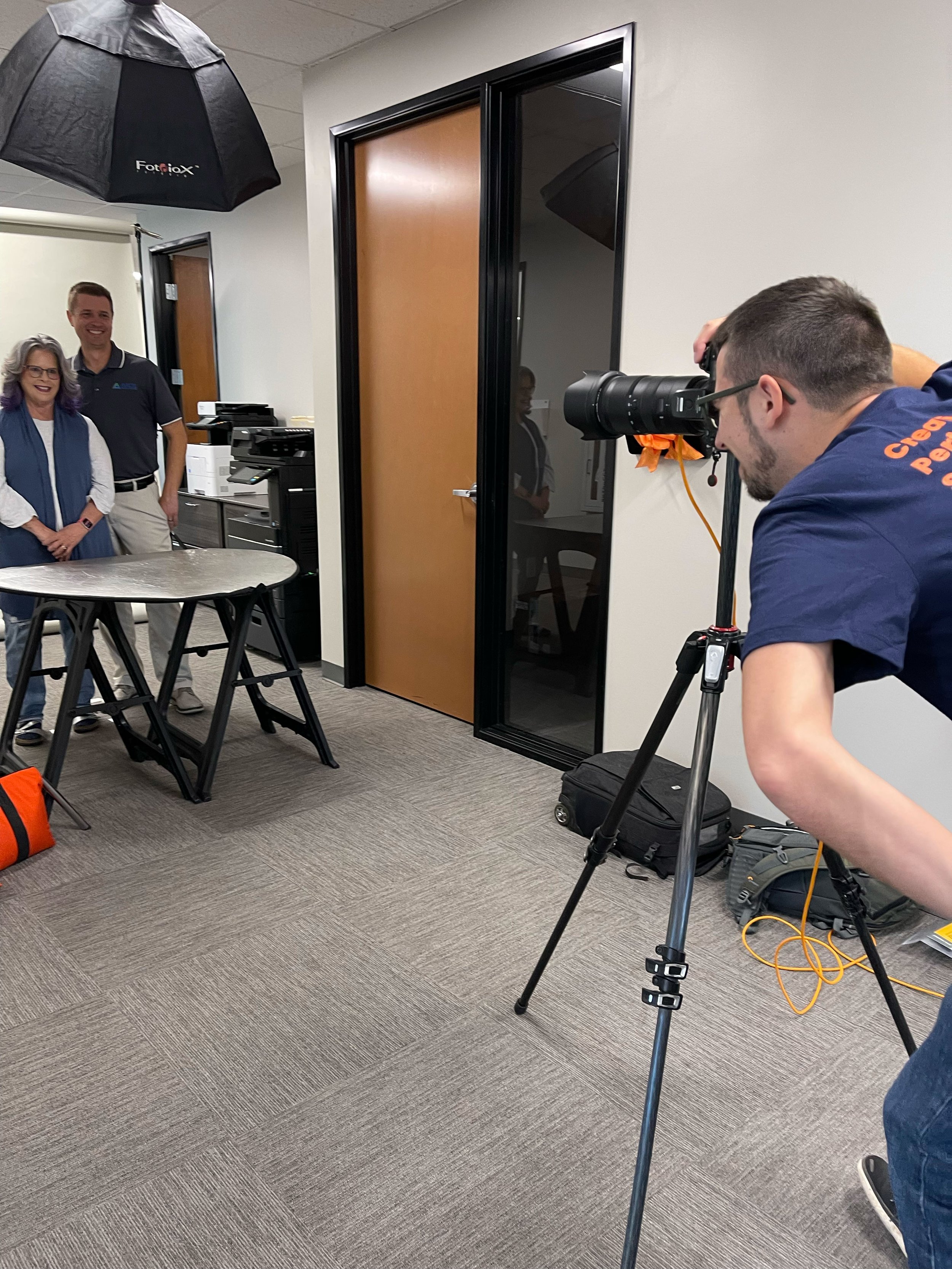
Rennacker Studio plans and shoots original brand photography built around how a business will use the images. That starts with a conversation about the business: what it sells, who it serves, and where and how the photos will be used, whether that is a new website, packaging, or a season of social content.
From there, Rennacker Studio builds a shot list tied to your use cases for things like a hero image for your website homepage, a product shot for packaging, a candid team photo for the About page, and a series of process shots for social media over the next several months. The goal is a photo library that keeps a business supplied with fresh, on-brand imagery.
A typical engagement starts with a short planning call, moves into a half-day or full-day shoot depending on scope, and ends with a delivered library of edited and organized images, so a business owner is not left sorting through hundreds of unlabeled files trying to guess which photo fits which purpose.
Because Rennacker Studio also handles branding and web design, the photography gets built to match the rest of a business’s visual identity, rather than existing as a separate project handed off with no connection to the logo, color palette, or website layout already in place. A photo shoot booked alongside a rebrand or a new website tends to produce a more cohesive result than a photo shoot booked in isolation.
Common Questions
How often should a business redo its brand photography? Most businesses benefit from a refresh every one to two years, or sooner after a significant change like a renovated space, a new product line, or a rebrand.
Is a phone camera ever good enough? For quick, informal social media content, yes. For core assets like a website homepage or packaging, a planned shoot with proper lighting and composition produces a noticeably stronger result.
How many photos does a small business need? A useful starting library is often smaller than owners expect, sometimes 15 to 25 well-chosen images covering the team, the space, and the product can supply months of marketing material.
Ready to Show the Real You?
A business that looks like a real, specific place run by real, specific people has an advantage that no amount of stock photography can buy. If your website, social media, or packaging is still leaning on borrowed images, Rennacker Studio can plan a photography session built around your business and how you plan to use the results.
Reach out to Rennacker Studio in Phoenix, Arizona, to talk through what a brand photography session would look like for your business.